



Commercial air travel exposes the human body to a unique combination of environmental stressors: reduced air pressure equivalent to 2,440 meters altitude, cabin humidity dropping below 20% (compared to the recommended 30-50% for human comfort), recirculated air, prolonged immobility, and rapid time-zone transitions. Despite flying being one of the safest transportation modes, the physiological challenges it presents are well-documented in aviation medicine literature.
The question facing frequent travelers is straightforward: How can we minimize the negative effects of these conditions while optimizing comfort and arriving at our destination functionally well? This article synthesizes scientific evidence from chronobiology, aviation medicine, dermatology, and nutrition to present evidence-based strategies that actually work.
Part 1: The Physiology of Flight – Understanding What Happens to Your Body
The Dehydration Challenge
One of the most misunderstood aspects of air travel is dehydration. While the cabin air does create a genuinely dry microclimate, the mechanisms are more complex than simple “dry air.”
Aircraft cabins maintain relative humidity between 10-20%, compared to the EPA-recommended 30-50% for indoor environments. This creates significant transepidermal water loss (TEWL)—moisture evaporating directly from the skin surface. However, systemic dehydration requires more than just dry air.
Research demonstrates that during an 8-hour flight, the human body experiences:
- Increased insensible water loss: Respiratory water loss increases from a baseline of 160 mL/hour at normal humidity (60%) to 360 mL/hour in airplane cabin conditions (12% humidity)
- Reduced fluid intake: Passenger water consumption on flights averages 200-300 mL total per flight, far below physiological needs
- Plasma volume reduction: Studies of simulated 10-hour flights showed plasma volume decreases of 6-9%, contributing to blood viscosity changes
Expert Perspective: Dr. Matthew Goldman, family medicine physician at Cleveland Clinic, notes: “The pressure, temperature and oxygen levels in the cabin fluctuate, and the humidity level is lower than it is at sea level. All of those things can mess with your body’s normal functions.”
The Circadian Rhythm Disruption
Perhaps the most significant physiological challenge of long-haul flying is circadian rhythm desynchronization. Jet lag isn’t merely fatigue—it’s a genuine circadian rhythm sleep disorder reflecting a mismatch between your internal biological clock and the external environment.
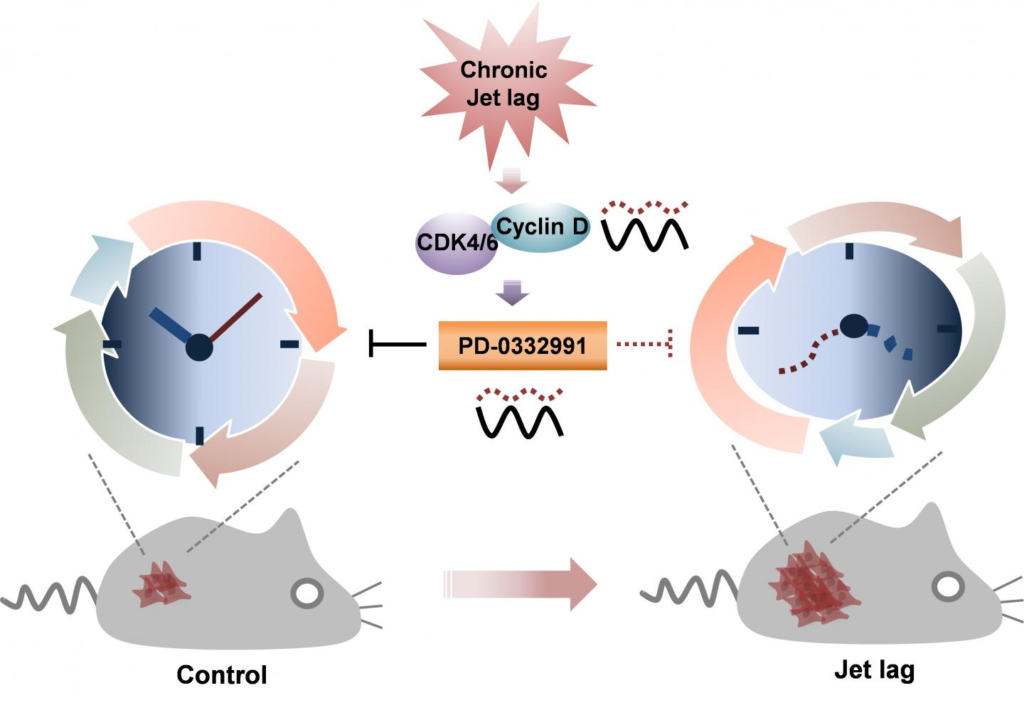
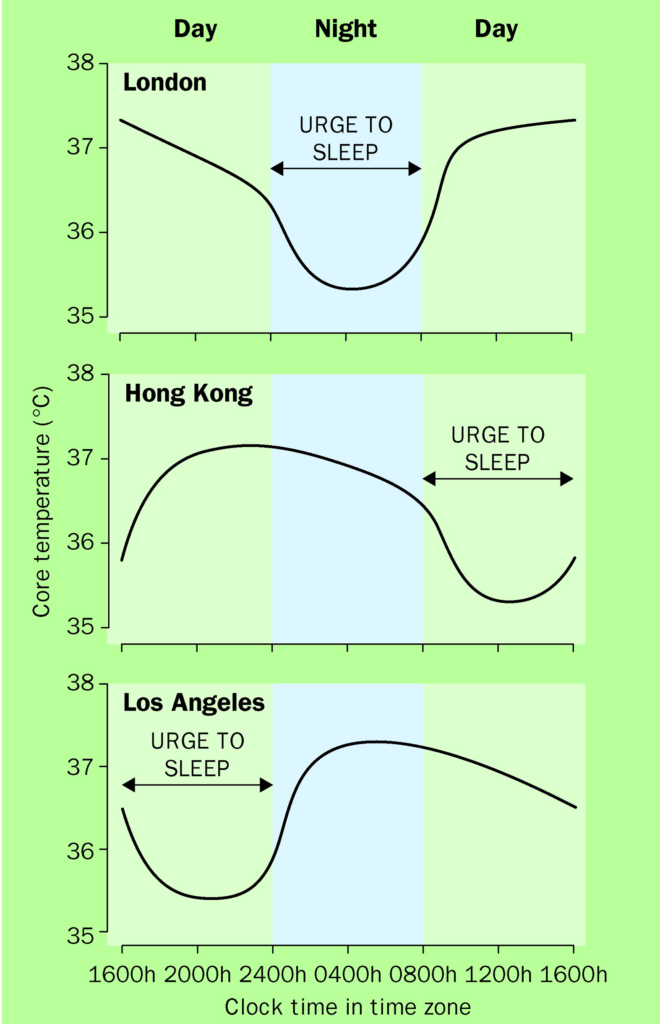
The science is precise: humans cannot instantly adjust their circadian rhythm. On average, it takes approximately one day per hour of time zone change to achieve full circadian re-entrainment. Moreover, directional asymmetry exists:
- Westward travel (phase delay): The circadian clock phases delays approximately 92 minutes per day
- Eastward travel (phase advance): The circadian clock phases advances approximately 57 minutes per day
This is why flying east to Asia is notoriously more difficult than flying west to Europe—your brain literally cannot adjust as quickly to earlier wake times as it can to later ones.
The mechanism involves melatonin, a hormone produced in darkness that regulates sleep-wake cycles. Artificial cabin lighting (particularly blue light from screens and LED panels) suppresses melatonin production exactly when you need it to rise, creating a biological timing crisis.
The Blood Clot Risk (DVT)
For flights exceeding 6 hours, the risk of deep vein thrombosis (DVT)—blood clots in the legs—increases 2.3-fold compared to the general population. The absolute risk for symptomatic DVT in the 8 weeks following a long-haul flight is approximately 1 in 4,500 flights in the general population.
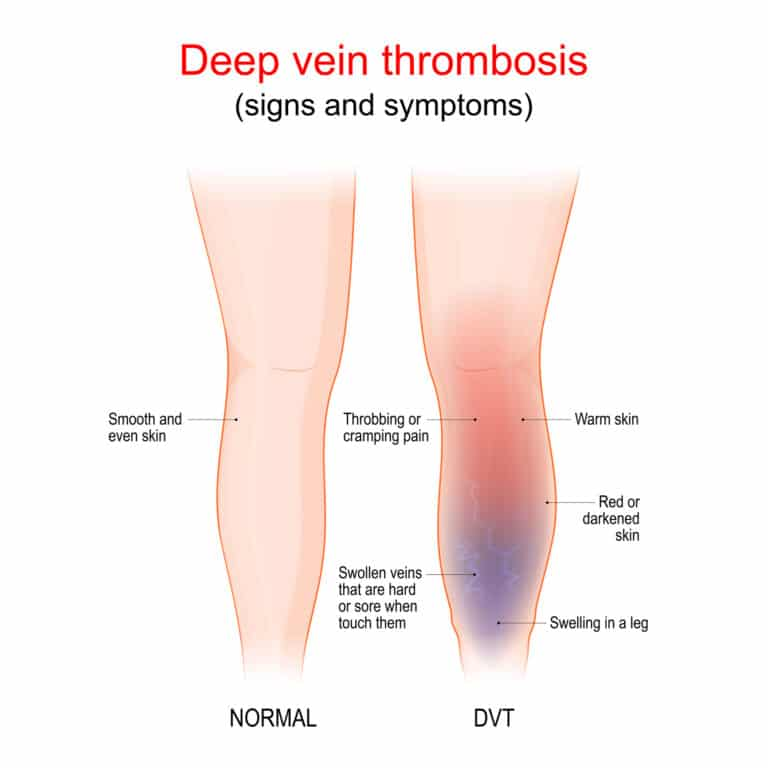
The mechanism combines multiple factors:
- Immobility: Seated position for extended periods reduces leg muscle contraction, which normally pumps blood back to the heart
- Reduced cabin pressure: Lower oxygen availability triggers fluid shifts and potential hypercoagulability
- Dehydration: Increased blood viscosity from fluid loss raises thrombotic risk
- Possible cabin altitude effects: The cabin pressure equivalent of 2,440 meters may contribute to slight blood clotting tendency
Risk increases by 26% for every additional 2 hours of flight time, emphasizing the importance of movement during long journeys.
Part 2: Pre-Flight Optimization – What to Do Before You Leave Home
Circadian Pre-Positioning (Days 2-3 Before Flight)
Rather than arriving at the airport unprepared, research suggests “pre-positioning” your circadian rhythm toward the destination time zone. This evidence-based approach can reduce jet lag by 30-50%.
For Eastward Flights (toward Asia, Europe):
- Begin 3 days before departure
- Advance your sleep schedule by 1-2 hours daily
- Seek bright light exposure in early morning (7-9 AM) on each of these days; exposure to blue light waves (470-490 nm) is most effective
- Avoid bright light in the evening to prevent circadian delay
For Westward Flights (toward North America):
- Delay your sleep schedule by 1-2 hours daily
- Seek bright light exposure in the evening (9-11 PM)
- Avoid morning light exposure
A 2004 study demonstrated that advancing sleep schedules by 1 hour per day in conjunction with morning bright light produced significant circadian phase advances—averaging 1.4-1.8 hours over three days.
Nutritional Preparation
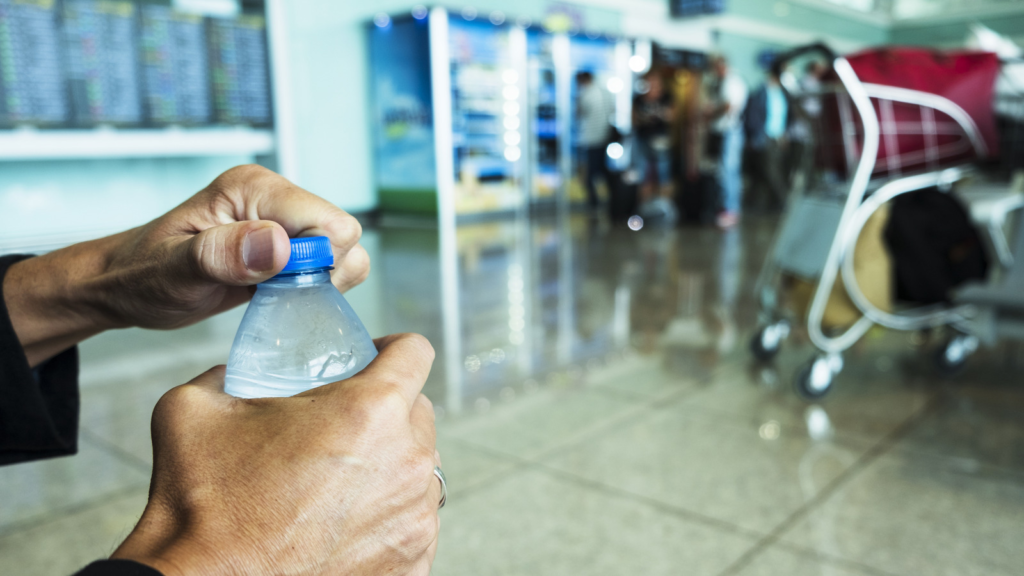
3-4 Days Before Flight: Begin hydration intensification
- Increase water intake to 3-4 liters daily (distributed throughout the day, not as mega-doses)
- Focus on water-rich foods: cucumbers, watermelon, citrus fruits
- Discontinue alcohol and caffeinated beverages 48 hours before departure
- Ensure adequate magnesium and potassium intake
The Day of Flight (3-4 hours before departure):
- Eat a balanced meal with protein, complex carbohydrates, and healthy fats
- Avoid heavy, greasy foods which slow digestion and cause bloating
- Include foods rich in tryptophan (turkey, eggs, nuts) which support melatonin synthesis
Skin Preparation (evening before flight):
- Apply a rich moisturizer containing occlusive ingredients (ceramides, squalane) to create a protective barrier
- Use a hydrating serum with humectants (hyaluronic acid, glycerin) underneath
- Apply broad-spectrum SPF 30+ to face and exposed skin
Part 3: In-Flight Strategies – Optimizing the Flight Experience
Strategy 1: Strategic Seat Selection Based on Flight Duration
For short flights (3-3.5 hours): Window seats are optimal—you minimize disturbance from neighboring passengers and can rest against the wall. Studies show window-seat passengers average 35 minutes more sleep than middle or aisle passengers on short flights.
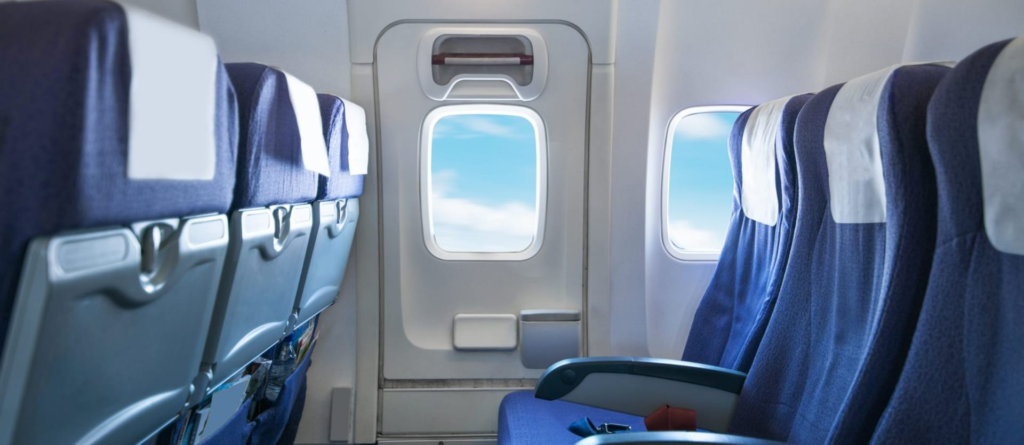
For long flights (6+ hours): Aisle seats become superior—they provide regular standing opportunities that reduce DVT risk by 35-40% through periodic calf muscle activation. Standing every 60-90 minutes significantly improves circulation.
Strategy 2: Compression and Movement – DVT Prevention
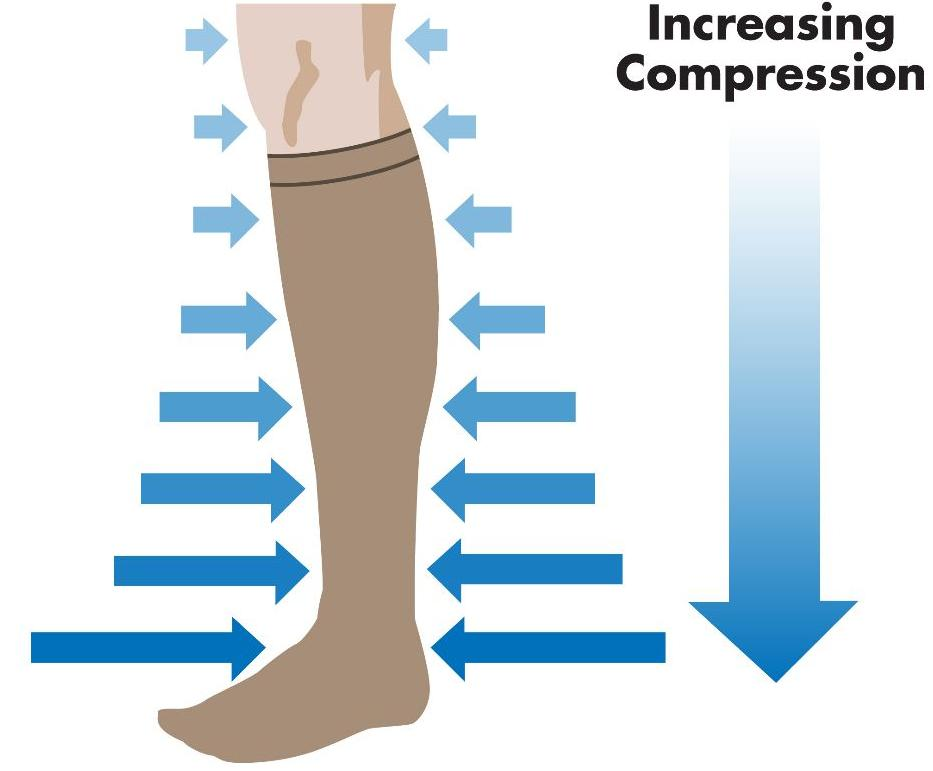
Graduated Compression Stockings (15-30 mmHg):
- A Cochrane systematic review of 11 randomized controlled trials involving 2,906 passengers demonstrated a 90% reduction in asymptomatic DVT risk
- Most effective for passengers at moderate-to-high risk (age >60, previous surgery, pregnancy, extensive varicose veins, cancer)
In-Seat Exercises (every 30-60 minutes):
- Ankle circles: Rotate feet in both directions for 30 seconds
- Calf raises: With feet on floor, lift heels repeatedly for 30-45 seconds
- Thigh contractions: Tense thigh muscles without moving legs for 10-15 seconds, alternating sides
- Walking: Stand and walk the aisle for 2-3 minutes at least once per hour
Strategy 3: Aggressive Hydration with Specific Fluid Choices
Science-Based Hydration Protocol:
- Minimum intake: 200-250 mL (7-8 oz) of water per hour of flight
- For a 12-hour flight, this means 2.4-3 liters minimum—roughly 8-10 glasses
- Bring an empty reusable water bottle and request flight crew fill it 2-3 times
What to Drink: Water with electrolytes, herbal tea (chamomile), fresh fruits
What to Avoid: Alcohol, caffeine, high-sodium foods, sugary beverages
Strategy 4: Dermatological Protection – The Skin Barrier Under Assault
In-Flight Skincare Protocol:
- Immediately upon boarding: Remove makeup, apply hydrating serum (hyaluronic acid), rich moisturizer (ceramides, squalane), lip balm
- Every 2-3 hours: Spray facial hydrating mist across face and neck
- For eyes: Every 3-4 hours: apply lubricating eye drops
- For hands and feet: Apply hand cream, wear cotton socks
Strategy 5: Thermal Comfort and Clothing Strategy
- Layering system: Moisture-wicking base layer, insulating mid-layer, outer layer
- Compression: Wear compression socks throughout flight
- Comfort: Avoid tight waistbands, restrictive fabrics
- Footwear: Wear slip-on shoes, pack clean cotton socks
Part 4: Managing Sleep and Circadian Adjustment During Flight
Light Exposure Management
During overnight flights: Lower window shades, wear blue-light blocking glasses, avoid screens 1-2 hours before sleep.
Strategic Light Exposure Post-Arrival:
- Eastward flights: Seek bright morning light (9 AM-12 PM)
- Westward flights: Seek bright evening light (3-6 PM)
Sleep Facilitation Strategies
- Neck pillow with cervical support
- White noise or earplugs
- Maintain 18-20°C body temperature through layering
- Light carbohydrate snack before sleep (increases tryptophan delivery)
Avoiding Alcohol and Sleep Medications
Alcohol disrupts REM sleep, worsens dehydration, slows circadian adjustment, and increases DVT risk. Sleep medications carry risks of grogginess and dependence.
Part 5: Post-Flight Recovery – Optimizing Arrival
Immediate Post-Arrival Circadian Reset
Eastward flights: Morning light exposure, stay awake until local bedtime
Westward flights: Afternoon/evening light, brief 20-30 minute nap acceptable
Nutritional Recovery
Day 1: Protein-rich early meals, light digestible foods, continue hydration
Days 2-3: Magnesium-rich foods, probiotics for digestive recovery
Skin Recovery
Day 1 evening: Double cleanse, hydrating treatment, rich moisturizer
Days 2-3: Continue hydration, avoid active ingredients (retinoids, acids)
Conclusion: The Integrated Approach
Comfortable long-haul flying requires understanding the physiological stressors and systematically addressing each:
- Pre-flight circadian positioning reduces jet lag by 30-50%
- Strategic hydration and nutrition prevent dehydration complications
- Seat selection and movement reduce DVT risk by 35-90%
- Dermatological protection preserves skin health
- Circadian-aware light management optimizes sleep and recovery
- Post-arrival circadian reset accelerates adjustment
Travelers implementing these evidence-based strategies arrive functionally well, avoiding the grogginess, skin deterioration, and extended jet lag that plague unprepared passengers. Arriving fresh and energized isn’t a luxury—it’s a necessity for professional effectiveness and personal wellbeing. The science supports the effort required to achieve it.