



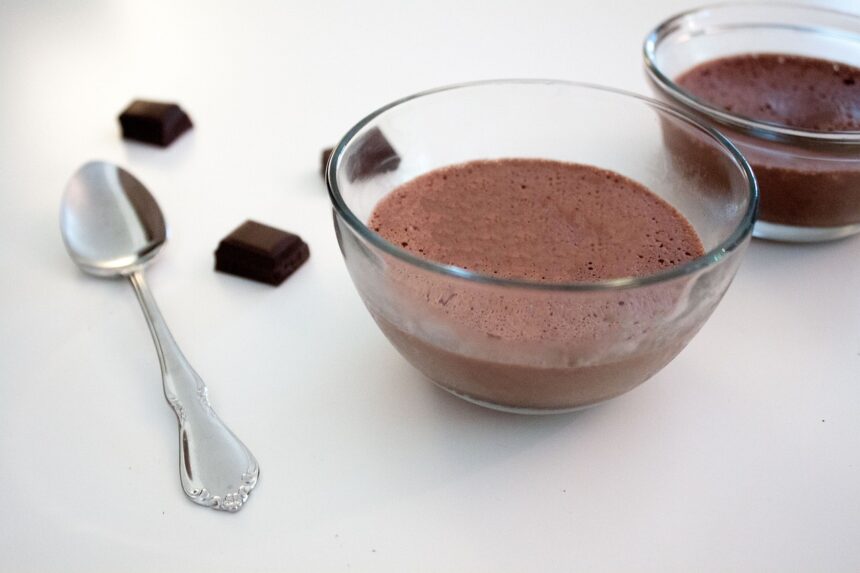
As a busy professional, you’re likely no stranger to the world of meal prep and cooking hacks. One often-overlooked ingredient can elevate your dishes and reduce food waste: aquafaba, the liquid from canned chickpeas. By saving and utilizing this versatile liquid, you can create a variety of delicious recipes, from vegan meringues to creamy sauces.
What is Aquafaba?
Aquafaba is the liquid from canned chickpeas, also known as garbanzo beans. This liquid has unique properties that make it an excellent substitute for eggs in many recipes. You can use it as a direct replacement for eggs in some recipes, or as a thickening agent to add texture and body to sauces and desserts.
Aquafaba Benefits and Uses
The benefits of using aquafaba are numerous. Not only does it reduce food waste, but it also provides a vegan alternative to traditional egg-based recipes. Some popular uses for aquafaba include making vegan mayonnaise, replacing eggs in baked goods, and creating creamy sauces for pasta dishes. To get started with aquafaba, you’ll need to save the liquid from canned chickpeas, such as those from Amazon.
Aquafaba Recipe Ideas
Now that you know the basics of aquafaba, let’s explore some delicious recipe ideas. Here are a few step-by-step guides to get you started:
- Make vegan meringues by whipping 1/2 cup of aquafaba with 1 tablespoon of sugar until stiff peaks form.
- Replace eggs in your favorite cake recipe by using 3 tablespoons of aquafaba per egg.
- Create a creamy sauce for pasta by blending 1/2 cup of aquafaba with 1 tablespoon of lemon juice and 1/2 cup of olive oil.
Tips for Working with Aquafaba
When working with aquafaba, there are a few tips to keep in mind. First, make sure to use the liquid from canned chickpeas that are low in sodium, as high-sodium liquids can affect the flavor of your dishes. You can also use a stand mixer to whip aquafaba into a frenzy, creating a light and airy texture. Finally, experiment with different flavor combinations to find the perfect recipe for your taste buds.
Aquafaba Storage and Shelf Life
Once you’ve saved the aquafaba from your canned chickpeas, you can store it in an airtight container in the fridge for up to 3 days. You can also freeze it for up to 3 months, making it easy to have on hand whenever you need it. When freezing, make sure to label the container with the date and contents, and consider using a Pyrex container for easy thawing and reheating.
By incorporating aquafaba into your cooking routine, you’ll not only reduce food waste but also unlock a world of culinary possibilities. So next time you open a can of chickpeas, don’t throw away the liquid – save it and start experimenting with the incredible world of aquafaba recipes, using tools like Instant Pot to streamline your cooking process.